

Expedait gets a request checked, approved and on the record before it reaches a ticket, then hands your coding agents the approved spec.

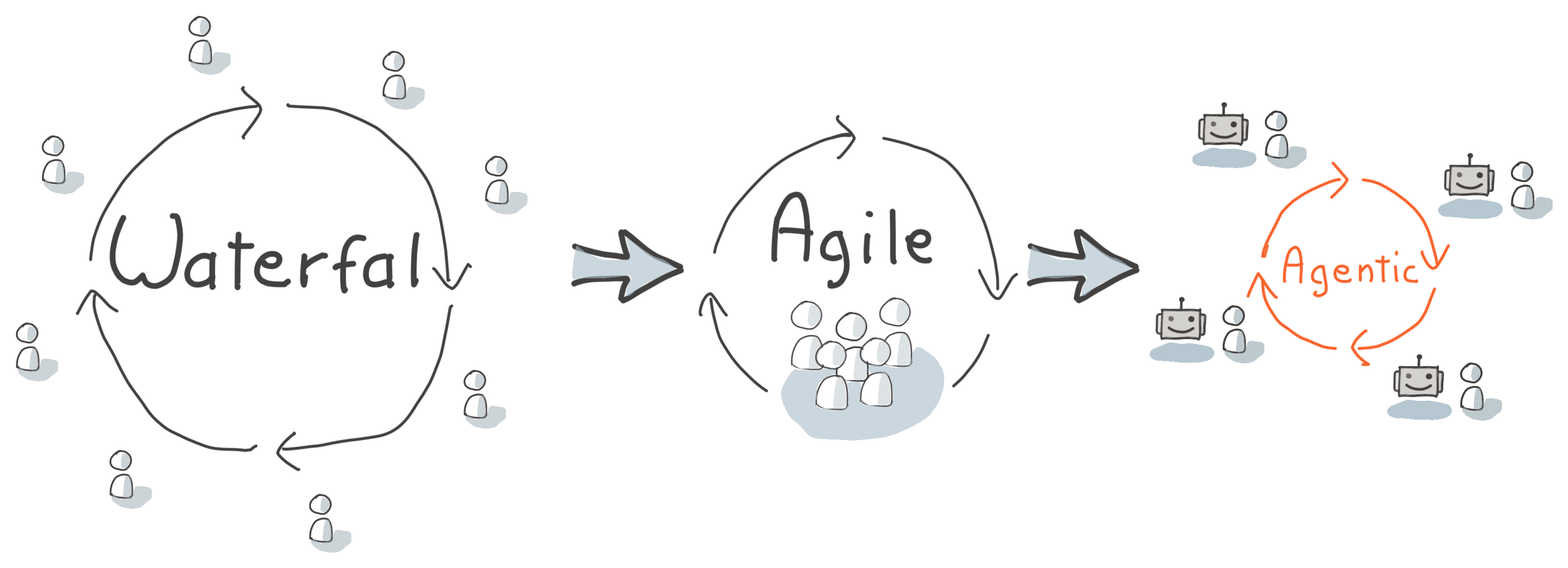
The queue didn't shrink. It moved upstream.
Coding agents made building cheap. IT still gets three to four times more requests than it can handle, and every one waits at the same gate: clarified, checked, approved. Now risk has a new question: if an agent built it, what did it build from, and who signed off?
Expedait ensures that:
How we think about getting software approved, built and proven in the agent era.
How Expedait gets a request checked, approved and on the record before it's built.
Expedait is where a business request becomes an approved, audit-ready spec before it reaches a ticket. Business, IT and agents work on one versioned canvas; each request is checked against your standards, approved at the level of scrutiny its risk deserves, and handed to people or coding agents with every decision on the record. Built for regulated, multi-team organisations — finance, banking, utilities, pharma — and for whoever has to answer when an auditor asks what an agent built from.
Intake is everything between "someone has a request" and "the team can start building": clarifying the need, writing it down properly, checking it against your standards, and getting the right people to decide. Intake cycle time is how long that takes. Most of it is not work but waiting: for the missing paragraph, for the review, for the meeting where the decision finally gets made. Long intake cycle time delays release, and delayed release costs money. Every capability in Expedait exists to shorten it.
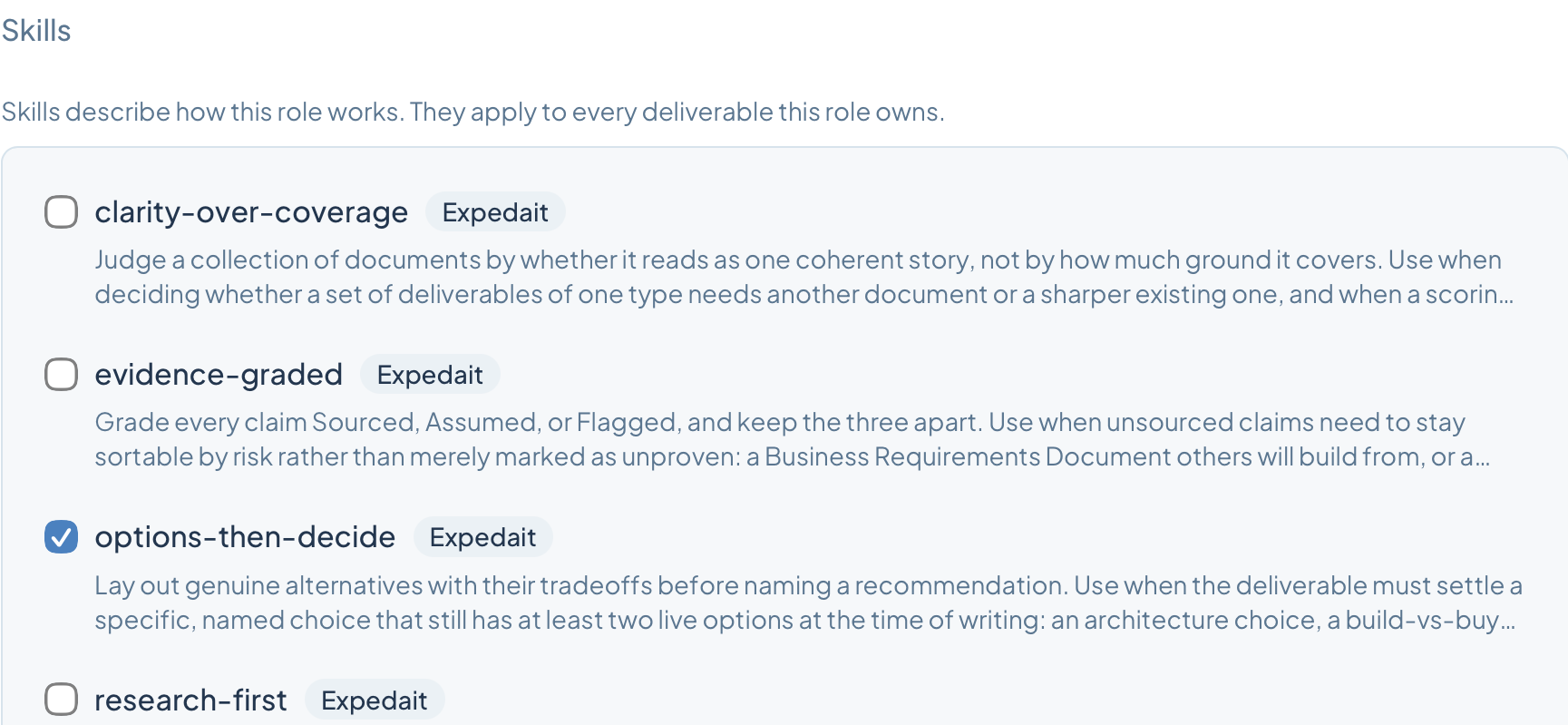
Templates and ceremonies work while a handful of teams can sit in one room. Past four or so, coordination cost grows faster than headcount, and a template can't tell you what's missing. Expedait moves the work onto the request itself: checks while you write, approvals tiered by risk, decisions captured where they're made, agents reading the same context as people. You could stitch something similar from a wiki, an approval plugin and a review script. But a homegrown script isn't a control an auditor will accept, and it starts from a blank page.
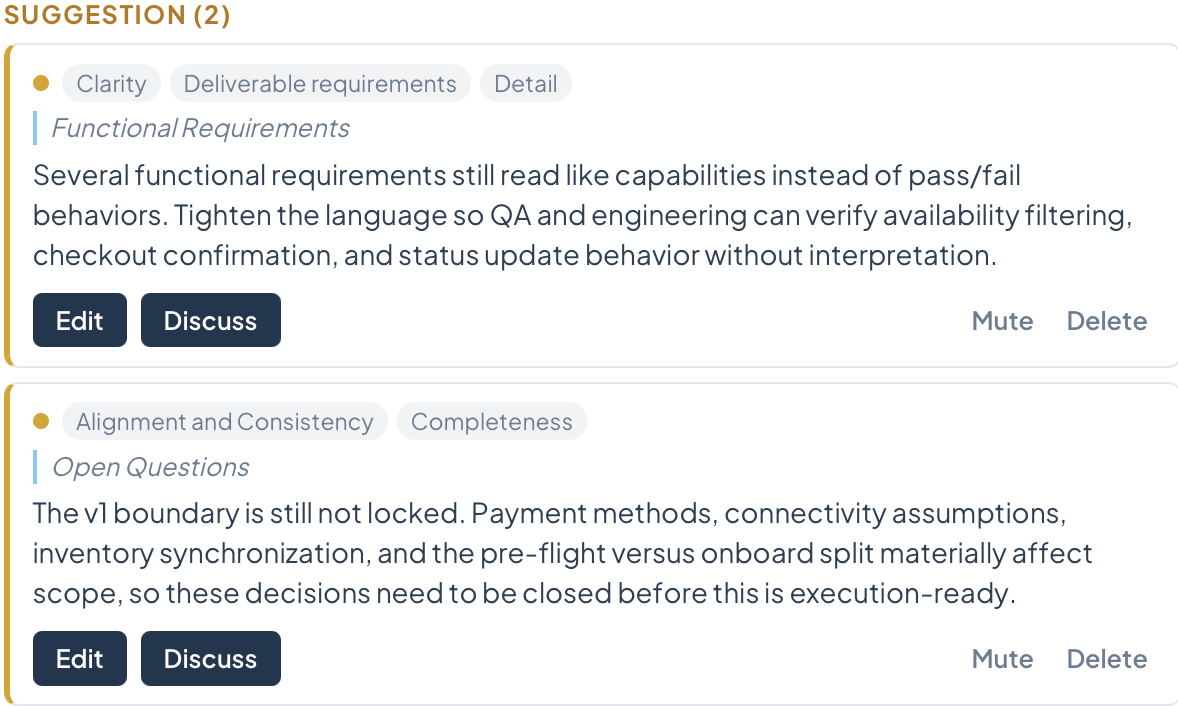
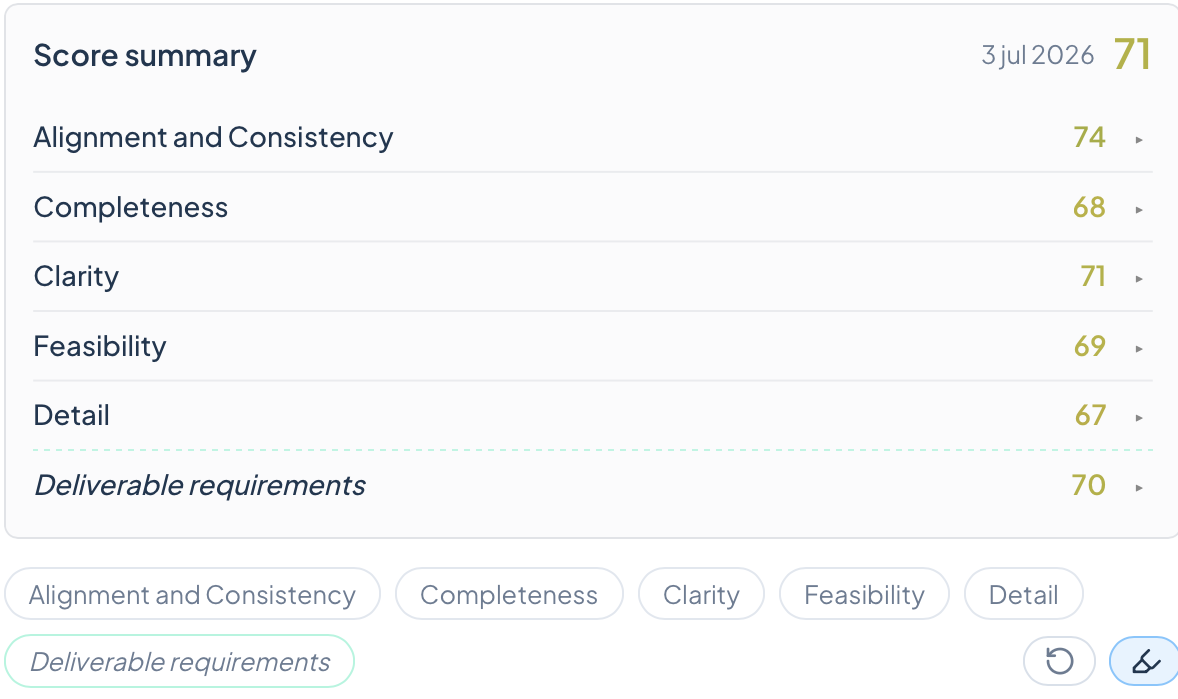
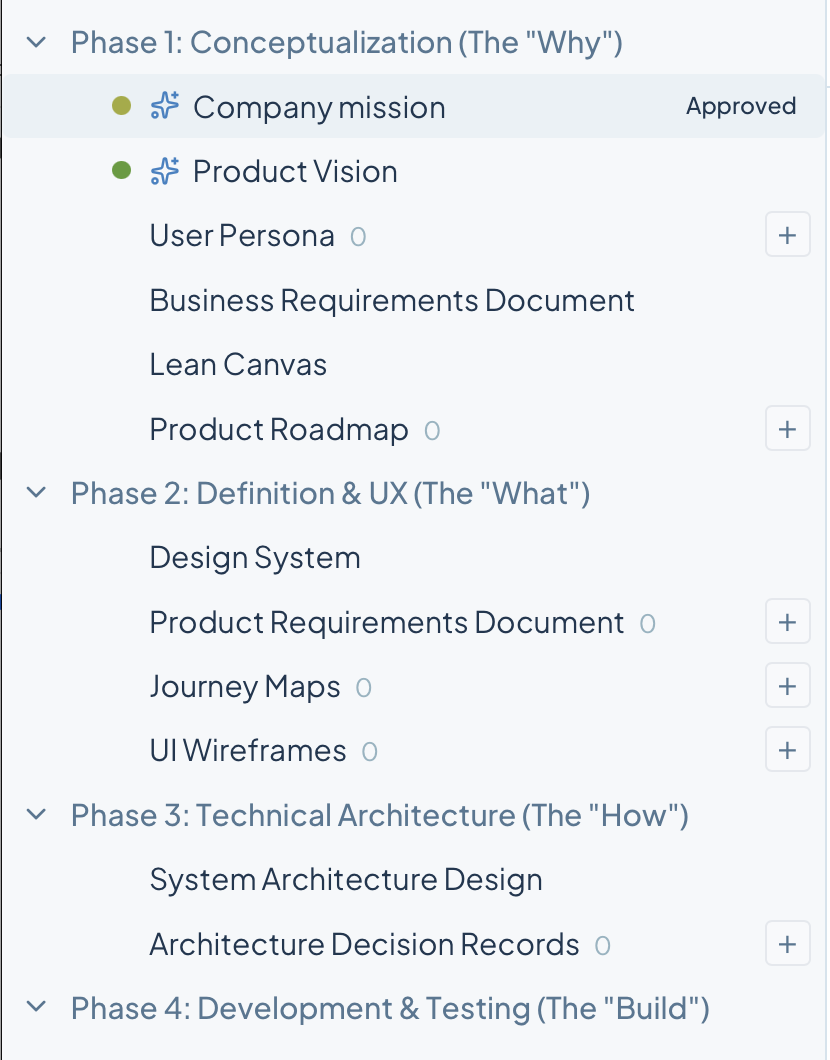
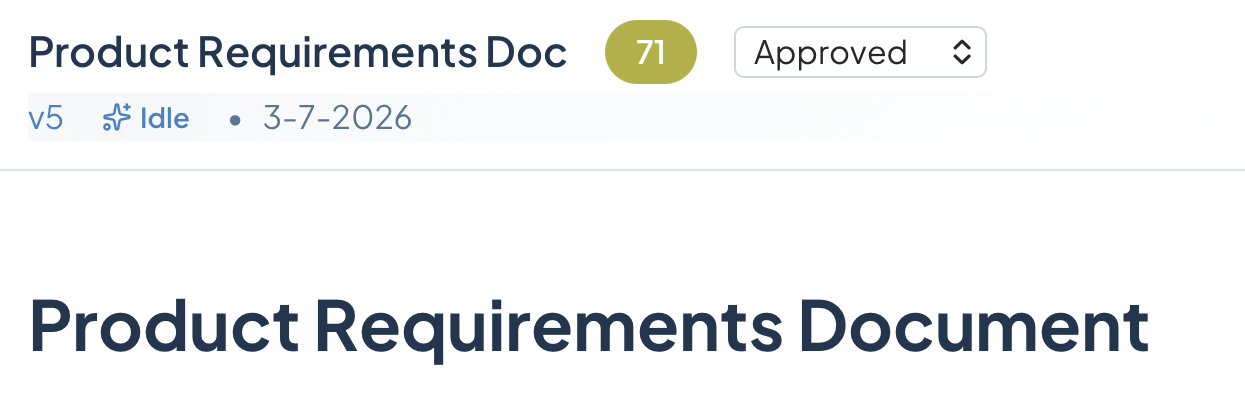
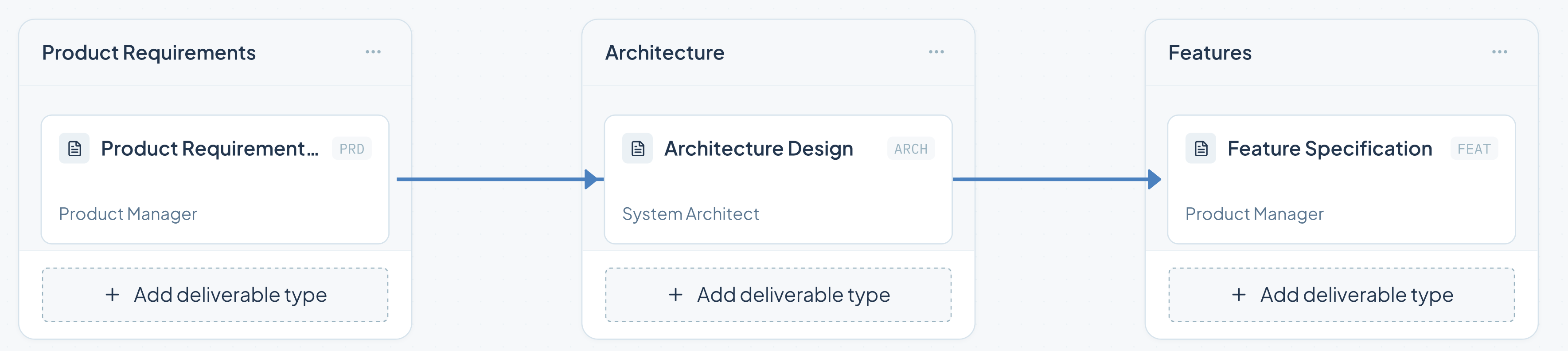
It lands on the canvas as a versioned artifact. Each role gets guidance for their part, reviews flag gaps and contradictions as they appear, and the request is checked against your internal standards and the regulations that apply. When it reaches a decision point, the accountable people are pulled in with the impact already assessed. The outcome and the reasoning stay attached to the request, and the approved version is the one your coding agents pick up.
Not every request deserves the same rigor. A small change gets a light path. A request that touches personal data, core systems or regulated scope gets the full set of checks and approvers. You define the rules once and Expedait applies them per request.
Agents help draft, review and check, scoped to the artifact they are working on and reading the same versioned context as the people. Expedait does not replace Jira, Confluence, your build setup or your coding agents' own workspace. It sits before the ticket, connects to the tools where the rest of the work lives, and hands over an approved, ready-to-build spec. Claude Code, Cursor, Codex and other coding agents pick it up through the Expedait MCP and CLI.
Each request is checked against your standards before anything is built: legal, architecture, security and the regulations that apply to it. Because decisions are captured as they happen, the evidence auditors ask for already exists — including what an agent built from and who approved it. Nobody has to reconstruct it afterwards.
Yes. Expedait is multi-tenant and every request is tenant-scoped: your projects, artifacts and files are only ever accessible within your workspace, enforced at the API layer.
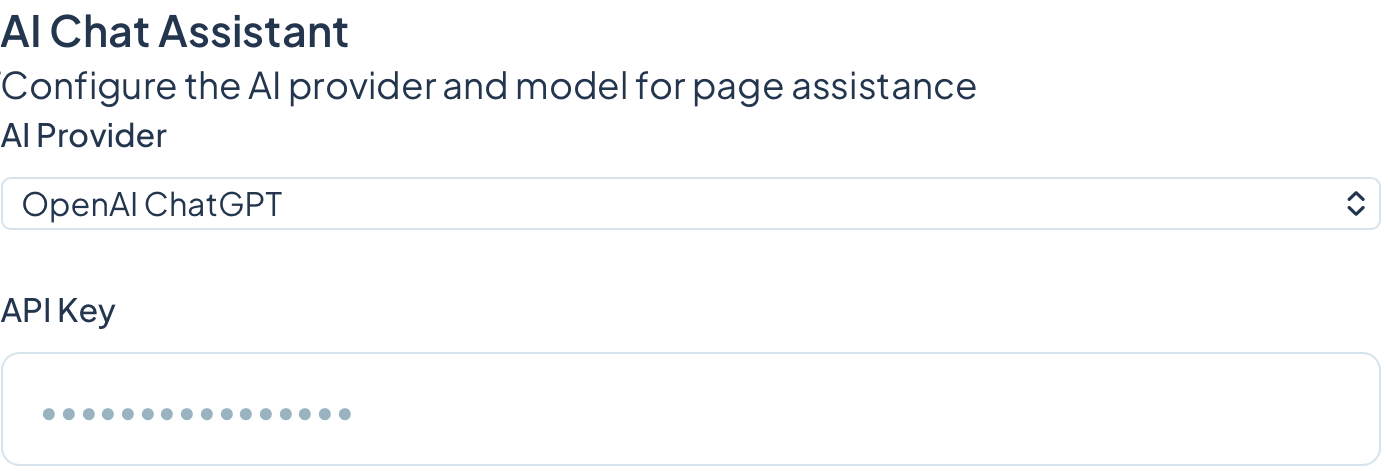
Yes. Expedait is fully Docker-based and runs on Kubernetes, so it can run inside your own environment, with your own AI provider and keys. Get in touch and we'll help you set it up.
Pricing is credit-based. Every workspace starts with 20 free credits, enough to run real requests through it. When you need more, get in touch and we'll set you up.
No lock-in and no minimum term — you can stop anytime and deactivate your workspace from Settings.
See our Terms of Use →Yes. We run a free public Slack community where product leaders, engineers, and delivery teams compare notes, ask questions, and help shape where Expedait goes next. Our team is active there. Join our Slack community →


If risk is asking what your agents build from, start with a conversation.